Tri-Productions encompasses all that we are doing, from publishing books, plays and "Made for Church" movies to other products we will add in the future. We use "Tri" to stand for the Father, the Son and the Holy Spirit. We place God in His rightful place, first. Without Him, nothing else matters.
Monday, August 24, 2009
The Words of Encouragement
He lifted me out of the slimy pit, out of the mud and mire; he set my feet on a rock and gave me a firm place to stand. He put a new song in my mouth, a hymn of praise to our God. Many will see and fear and put their trust in the LORD. Blessed is the man who makes the LORD his trust, who does not look to the proud, to those who turn aside to false gods. - Psalm 40:2-4
A new Song. These are some difficult times for many. Over and over again I am hearing about individuals losing jobs, health care, relationship problems and so much more. Yes, we have heard these things before, but now seems to be a season of these issues in the lives of people. Many have become discouraged and are finding it difficult to wait on their changes. Many are losing hope and have become hopeless.
As I thought about how to encourage someone this week, this scripture came to my mind. The psalmist states that God lifted him out of the pit and set his feet on a firm ground. Think about this. What does it feel like when things are going against you? You feel as if you have been thrown in a pit and all the slimy, thick mud is trying to pull you further in. That's what this psalmist says, they were in a pit and it was pulling them under.
When financial problems hit or relationship problems arise it feels as if you are being pulled further into the problem and it is not comfortable. The wonderful news is that we do not have to simply be pulled into the problems further because we have an avenue of help available to us.
The promise to you and I is that God will place us on a firm foundation. Does this mean you will be exempt from problems? No, but it does mean that you and I do not have to be comsumed by them. What God promises to his children is that he will pull us up out of our situations and in the process he will gives us firm foundation. This firm foundation is him. We can stand on that "solid rock" that will never give away.
God promises to also put a new song in our mouth and a hymn of praise. Why do you think this is so exciting? Why this is so exciting is because it is out of the ordinary. It is normal for us to be discouraged, disheartened and like a caged bird that does not sing. It is out of the ordinary, a supernatural change that makes us able to sing in times when we are locked in the cages of our situations.
When we sing God says that others will see us and fear him. They will see our responses to the things around us but will be amazed at our response. Our response is not like an ordinary response. It is a supernatural response. It is supernatural because you and I cannot sing a new song unless God gives it to us. The scripture says God will give us a new song.
Today, let us rejoice and sing the praises of our God as he places within our hearts a new song; a song of joy, peace, and love. This new song is not a sad song but one that calls us to rejoice because God has saved us from our pits and has set our feet on a solid foundation.
Prayer: Lord today we say thank you for providing for us in our times of lack and in our times of need. We thank you that you do not allow our situations to pull us down and to engulf us. We thank you for pulling us up, up toward you and setting our feet on solid ground. You are that solid ground that we stand on. You never change even when our situations and circumctances do. We sing praises to you because you have given us this song of praise. Amen.
Sunday, August 23, 2009
The Week in Review
The Image of God: Why Did God Create Me (part 2)?
Written by Minister Jewel D. Williams
December 11, 2008
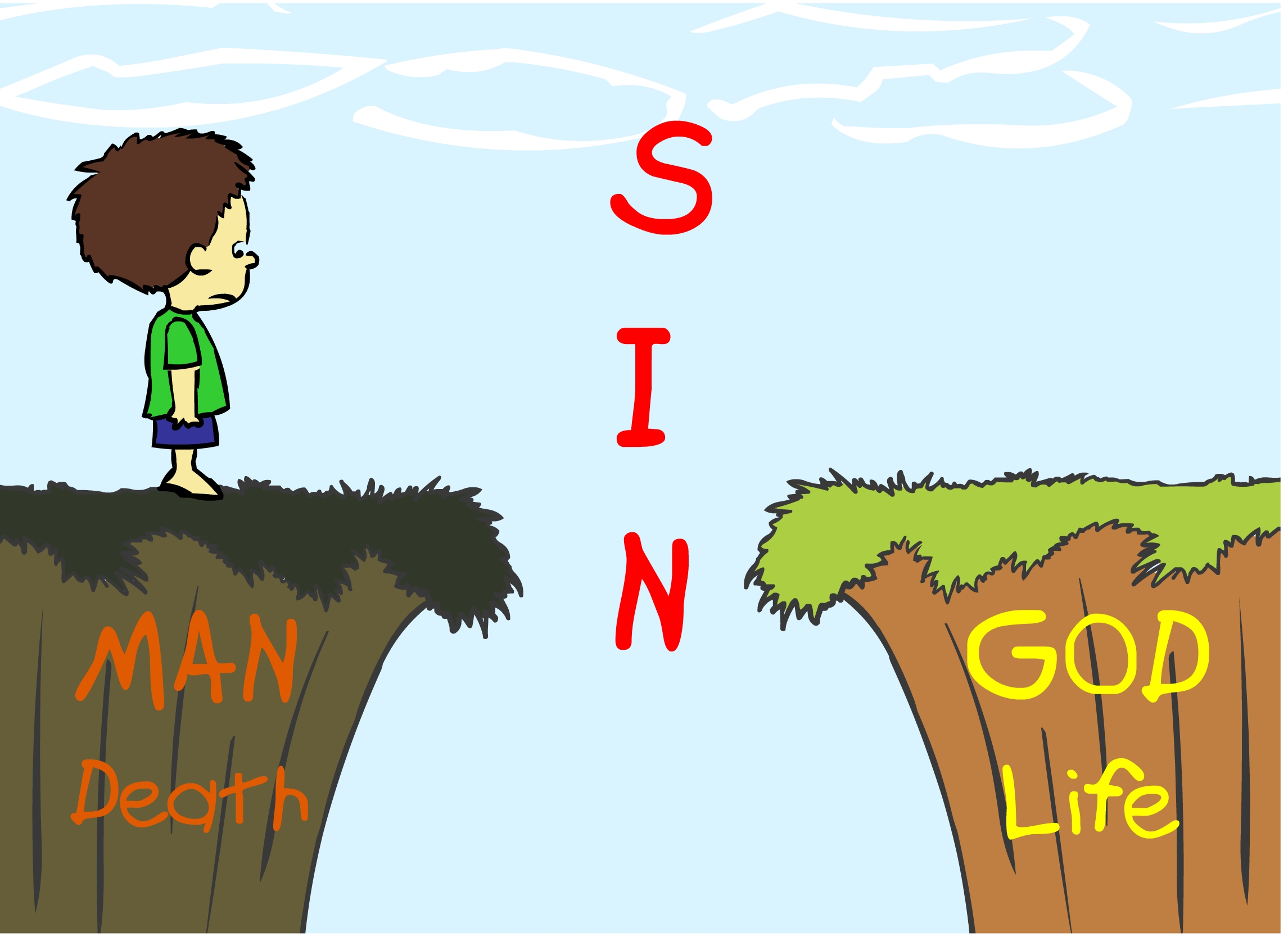
Sin: Its effect on God’s Image
Therefore, just as sin entered the world through one man, and death through sin, and in this way death came to all men, because all sinned— for before the law was given, sin was in the world. But sin is not taken into account when there is no law. Nevertheless, death reigned from the time of Adam to the time of Moses, even over those who did not sin by breaking a command, as did Adam, who was a pattern of the one to come. (Rom 5:12-14)
Jones states the image of God is not something that can be destroyed. It is not a thing. Jones argues, “understanding at this point will affect our understanding of what happened when Adam and Eve sinned, and will affect our concept of our human need, and what God does for us in salvation.”[1] Finger poses the imago dei of Genesis 1-2 points not only toward God, nor merely to other humans, but also toward the created world. Man was given dominion over the lower creation (Gen 1:26). Adam was told to name the animals (Gen 2:19-20) and to tend the plants (Gen 2:9, 15). However, “these relationships are adversely affected when humankind sins (3:17-19)”[2]
McGrath states, “For Tertullian, humanity retained the image of God after sinning; it could only be restored to the likeness of God through the renewing activity of the Holy Spirit.”[3] McGrath also present that Origen’s approach was that the “image of God” referred to humanity after the fall, whereas the term “likeness of God” referred to man after its perfection at the final consummation.[4] While these two approaches take different positions they do agree that man had the image of God even after the fall, the sin of Adam and Eve.
Berry and Jeeves argue the relationship with God has been disrupted by the fall, although the capacity for relationship remained (Gen 9:6; 1 Cor. 11:7). Greathouse and Dunning pose, “the most obvious fact about the human predicament is that man has fallen away from his original right relation to God.”[5] They further explain their stand regarding the scripture in Romans 5:12-21. They state Paul gives the historical meaning of the original sin. Adam’s disobedience allowed sin to enter the human race and death by sin. They explain, “in this passage Adam and Christ are more than two individuals, they embody the old humanity and the new humanity – the old humanity dead in sin and the new humanity alive in God and free from sin.”[6]
Towner asks the question, “Can the image be smashed or defaced? Since early times, many Christian theologians have taken the ‘fall’ recounted in Gen 3 to be the story of the smashing of the mirror, the irreparable loss of the ‘image of God’ within us.”[7] Towner however presents a different view, “sin and rage, human frailty and perverseness can obscure or distort the capacity – indeed, the inborn need – for relationships with God, people, and the world around us. . . But human nature, shaped in the divine image, remains constant”[8] Richard E. Howard in his book, Newness of Life states, “Sin, then, is self-separation from God in the sense of decentralization, the place which should be occupied by God being assumed by the self.”[9] Howard adds that sin is a relationship, a perverted relationship between God and man. This would agree with the understanding that man does not lose the image of God; it is simply marred or distorted. The relationship has moved from dependency upon God to one desiring to be self-sovereign. Howard states that sin darkened the heart and the mind was depraved. Clark also believes sin has affected man’s ability to think correctly. Clark states, “one result of the fall is the occurrence of incorrect evaluations by means of erroneous thinking.”[10] Sin interferes with thinking. It does not prevent one from thinking, Clark affirms as he states, “sin does not eradicate or annihilate the image. It causes a malfunction, but man still remains man.”[11] Thomas L. Brodie the writer of the article, Genesis As Dialogue – A Literary, Historical, and Theological Commentary, presents another view of the effect of the fall on the image of God. He presents the break in the relationship with Adam and Eve. Brodie states, “When God came around, he found them hiding and denying responsibility – shifting the blame. The result was a stinging call to reality – to their actual states and to the results of their own actions.”[12] Brodie poses that their lives from that point forward would involve pain, especially in relationship and work. When they have children, the children do as the parents have done. “Cain dissatisfied with his status, kills his brother, and when confronted by God, evades reasonability.”[13]
Brodie sums up this understanding in this way, “The alienation between humans, begun in the Garden (covering up, undue desire, and domination), become total in the murder. The relationship with the ground, already difficult in the initial punishment (Gen 3:17-19), becomes more so for Cain (4:10-12).”[14] This learning thus far has shown that the image is not something one possesses but the ability to have a relationship with God. Sins effect on that image is how the relationship has been marred. As stated previously there is still a relationship; however it is one that is distorted. Additional study shows that this relationship is not only distorted between God and man, but also between man and man, and man and all creation. As this study moves to the next section, one will be able to understand how this distorted relationship can be restored to a right relationship (come back next week for installment 3, Jesus: Restoration of the image).
--------------------------------------------------------------------------------
[1] Jones, Theology of Holiness and Love, 106.
[2] Finger, “Christian Theology Vol. 2/: An Eschatological Approach”, 108.
[3] McGrath, Christian Theology: An Introduction, 441.
[4] Ibid.
[5] Greathouse and Dunning, Wesleyan Theology, 54.
[6] Ibid, 55.
[7] Towner, “Clones of God”, 351.
[8] Ibid, 351-352.
[9] Richard E. Howard, Newness of Life. (USA: Richard E. Howard, 1975), 42.
[10] Clark, “The Image of God in Man”, 218.
[11] Ibid, 219.
[12] Thomas L. Brodie, “Genesis as Dialogue – A Literary, Historical, and Theological Commentary.” New York: Oxford University Press, (2001): 141-145. Oxford Scholarship Online. Oxford Press, (accessed December 8, 2008), 142.
[13] Ibid, 143.
[14] Ibid.
Week in Review
THE GIFTS OF THE HOLY SPIRIT:
A CALL TO UNITY, A CALL TO PURPOSE (PART 4)
Written by Minister Jewel D. Williams
2/09
MISUSE OF THE GIFTS/IMMATURITY
Ballenger makes the point that the called have not reached perfection. It is a community is process. Bryant states outside of the Christian community individuals seek to elevate one’s self over others. “People strive to impress with their wealth, power, knowledge, reputation, and popularity. But as Paul sees it, the driving force of Christian fellowship cannot be proud self-assertiveness, jealousy, envy, anger or competitiveness.”[1] Ackerman presents Paul as stating gifts of the Spirit can be wonderful tools for the church only if they are filtered through the cross, but if used for self-service they can become the fuel for problems. Ackerman asserts that Paul wanted to set up a protective boundary of love and holiness around the Corinthian church (when addressing the issue of tongues). In order for this to happen, the believer has to have the mind of Christ, which imitates him by living a life of love as the Holy Spirit moves.
Boa warns of the dangers of abuse. He presents that spiritual gifts are not merely for personal use. They can be abused, however when the gifts are exercised in the power of the flesh. The discovery and use of spiritual gifts is not an option. It is the gifts that shapes one’s ministry. Spiritual gifts should not be a cause of discouragement. Development of the gifts requires time. Spiritual gifts should not be cause for pride. God gives the gifts as he chooses and they are not status symbols or trophies of ones achievements. Spiritual gifts should not be exalted. One should not exalt the gift above the gift Giver, God.
Hays warns that no one should boast about being “spiritual” no matter what gifts one may possess. All the manifestations of the Spirit are to serve God’s purpose for the benefit of the community. Kraus states, “instead what counts is evidence that those spiritual gifts are enabling the church to worship and witness in whatever culture it finds itself.”[2] The believer must be careful to present authentic gifts. These authentic gifts are in harmony with the character of Jesus Christ. They invigorate, they build up and they consol the body of believers. The beauty is the body is continually being changed, formed and transformed by the power of the Holy Spirit. As the believer continues to present himself or herself as living sacrifices to God, the Holy Spirit can help the individual to remove selfish motives in the usage of the gifts. This is what maturity does in the body to unity them in purpose.
CONCLUSION
Mission was absolutely fundamental to the early church, as it rose from God’s own mission of drawing the lost into a right relationship. The church today must be rooted in God’s love to be energized and empowered to draw others. This is the mission of the church. This purpose is why God equipped each believer with spiritual gifts. The spiritual gifts were given to men by the Holy Spirit to prepare them to work in unity for the purpose of building each other, adding to the kingdom and glorifying God in the process. This writing has shown that love has been the driving force behind the mission of God. It is essential motivation for the believer to be enabled to use ones gift. If the motivation is done without love it becomes selfish and self-seeking. Waldrop states regarding the mission as fulfilled through Christ “ . . . finding its course in a mandate given by him to his followers who would form the Church empowered for mission by the Holy Spirit. In this way, the Church participates in the mission dei as sign, agent and sacrament unto the consummation of the reign of God as the eschanton.”[3]
The Holy Spirit distributes the gifts to the body to facilitate maturity in the body as she fulfills the purpose of why Christ left her here in this world. Therefore, it is love that is vital to the believer fulfilling the mission and being the sign to a dying world as the gifts are exhibited.
--------------------------------------------------------------------------------
[1] Robert A. Bryant, 2004. "Romans 12:1-8." Interpretation: A Journal of Bible & Theology 58, no. 3: 287-290. Academic Search Complete, EBSCOhost (accessed January 22, 2009).
[2] Norman C. Kraus, God Our Savior, 168.
[3] Richard E. Waldrop, "PENTECOSTAL PERSPECTIVES ON HOLISTIC CHURCH MISSION TODAY." Asian Journal of Pentecostal Studies 10, no. 2: 178-191. Academic Search Complete, EBSCOhost (accessed January 23, 2009).
Monday, August 17, 2009
Words of Encouragement
Love Motivates
When they had finished eating, Jesus said to Simon Peter, "Simon son of John, do you truly love me more than these?" "Yes, Lord," he said, "you know that I love you." Jesus said, "Feed my lambs." Again Jesus said, "Simon son of John, do you truly love me?" He answered, "Yes, Lord, you know that I love you." Jesus said, "Take care of my sheep." The third time he said to him, "Simon son of John, do you love me?" Peter was hurt because Jesus asked him the third time, "Do you love me?" He said, "Lord, you know all things; you know that I love you." Jesus said, "Feed my sheep. - John 21:15-17On yesterday, my pastor preached from this scripture. He titled his message Motive of ministry. As he was preaching there were several notes I took. As I wrote I knew this would be our lesson for this week. This is not his message. What in fact happened was as he preached, he sparked things in me that I believe the Lord was showing would be important for us this week.
There are several points this scripture brings to mind that is important for us to look at regarding our walk with God.
1. Jesus asked Peter if he loved him. - The reason was to help Peter understand what Christ is looking for from his followers. The question of do you love me, should spark us to ask ourselves this question. Do I do for Christ because of duty or am I motivated by the love within my heart. If one does for Christ it would seem logical that the answer is yes, it is love. Unfortunately this is not always the truth. Sometimes we have faulty reasoning or understanding about what is required of us from God. We believe if we "do" then that is what makes us safe. But if love is not the motivating factor we miss what Jesus was trying to present to Peter, if you love me, you will feed and care for my sheep. He did not says feeding my sheep shows you care, he said loving me (first) will motivate you to care for my sheep. See the order. That is what matters to God, putting our love for him in the right order.
2. Our love for Christ will motivate us to seek what we can give. - Peter was distressed when Christ asked him three times if he loved him. Why was he distressed? Peter was distressed because his love for Christ was important to him and his desire was to show that love. He thought the questioning of Christ was in fact a doubt of his love. However, sometimes God has to challenge us, call us out or remind us by questioning us, do you love me? He does it to motivate our love for him to seek what is it you require of me. What can I give to you? If any believer is to be what Christ has called them to be, they must allow God's Spirit to challenge them about where they stand in God. Are you motivated to to give yourself to God? Are you so passionate about your love for Christ that you seek him daily to see what you can do to honor him?
3. Love motivates us to make everything about God and not about us. - This is one of the most important things any believer can understand, that this walk, this life is not about you, but about God. I often tell people when they ask me why I do not promote myself, or seek for speaking engagement that this is not my ministry. I am not promoting myself. If God wants me to speak, he will direct the person to come to me. If he wants my book to be in different places he will open up the doors. I know this is considered unwise by some, but I know what God showed me. He told me he would promote me all I have to do is obey him. "If you love me, you'll obey me" is often what God speaks to me when I am trying to "win" my own way. It quickly reminds me of whose ministry this really is. So if we love God we will not seek to promote ourselves, our agendas or our plans. In fact we will simply find great pleasure in simply obeying what he tells us to do.
4. Love motivates us to love like Jesus loved us. - Jesus was also telling Peter a vital lesson in his question. What he was saying to Peter is if you love me as you say you do, then that love for me will motivate you to love others as I love you. I can say all the right things and appear just right, but if I do not love the people God loves (that is everybody) I miss the mark of what love means to him. Love to God means I am willing to pour myself out, I am willing to pick up my cross, I am willing to take the abuse, the rejection, the mocking, etc. all for the cause of Christ which in itself is to reach people. Christ came and died for sinners (me included), that's people! If we do not love people and seek to reach the lost can we really say we love God?
This week I pray for many that are going throught some difficulties and maybe you feel others have forgotten you. Maybe you have a need and you just need someone to walk alongside of you today. See, when Christ ask me, Jewel do you love me, and I says yes I want him to say, yes I see you are feeding my sheep (caring for those that need me.)
I pray that God would touch each of you this week that read these words. Father open financial doors for those that stand in need of a financial blessing. Touch bodies of those that are sick. Heal emotions, spirits and bodies. You call us to reach out to others because of our love for you so through this prayer may you touch the needs of those that are standing in lack this week. You are the provider. Give clarity to someone this week that is in need of direction, because you are the way maker. Heal, comfort, touch and bless. May you glorify yourself this week in us, this is my humble prayer, Amen.
Sunday, August 16, 2009
The Week in Review
THE GIFTS OF THE HOLY SPIRIT:
A CALL TO UNITY, A CALL TO PURPOSE (PART 3)
Written by Minister Jewel D. Williams
2/09
A CALL TO UNITY, A CALL TO PURPOSE (PART 3)
Written by Minister Jewel D. Williams
2/09
USAGE OF THE SPIRITUAL GIFTS
In summary, God’s Son through his love enacted God’s mission. The love of God then equips the believer to receive the empowerment of love to carry out the mission. To do this, God presented diverse gifts to the church through the Holy Spirit. These gifts have specific purposes. The purposes are to mature the saints, equip them for service and to build the kingdom.
Gifts – Maturing the Saints
Isam E. Ballenger in his article, Ephesians 4:1-16 posits the church, which accepts the mission of God is to be one with God. The purpose is to bring the whole creation into harmony. The Holy Spirit enables this to happen, “whereby humankind may participate with God for the purpose of restoring unity.”[1] David A. Ackerman adds to the topic of maturity in his article, Fighting Fire with Fire: Community Formation in 1 Corinthians 12-14. He presents the mature Christian community is made up of individuals who are Christ-focused and Spirit-filled. He states Paul begins his discussion in the scripture focusing of the gifts in the context of Christology. The reason is Christ lies as the answer for both unity in the church and empowerment for service. “Without the cross, the gifts of the Spirit become rallying points for self-glorification. Without the Spirit, the power of the cross is not able to penetrate the inner person where transformation takes place.”[2]
Sydney H.T. Page adds additional information regarding maturity. In his article, Whose Ministry? – A Re-Appraisal of Ephesians 4:12 states the scripture affirms that Christ gave gifts to the church in order that through exercising of them the body might come to maturity. Bryant states the life in Jesus Christ brings renewal and transformation for both the individual as well as the community. When the believer is seeking to live for God, to follow his way, then the Holy Spirit reshapes the lives and relationships of the believer. Repentance and acceptance of God’s redeeming grace makes it possible for a new way of living and loving in community as the believer matures.
Gifts – Equipping the Saints
As the believer matures, they are better able to use their gifts for the equipping of one another. Page states Christ provided the church with apostles, prophets, evangelists, pastors and teachers to equip the saints to do his work. Gilbert W. Stafford writer of the book Theology for Disciples posits that the wrong point to start when seeking to discover gifts is within ones self apart from the purpose of the church. The scriptural focus is to consider the needs of the church and how ones gifts would equip others within the body. He warns that charismata is never for individualistic pleasure but always for corporate edification.[3] He further states the gifts are evidence that God’s divine mission of edifying is taking place in the life of the church. He further intimates that part of Christian unity is the oneness of faith and order in the life, work, mission and witness of the body. As the people of God use the gifts they edify the body. The body then is able to grow as each invests in the whole.
Michael J. Anthony in his book, Christian Education: Foundations for the Twenty-first Century presents input from an educational stand. He states the church is placed in service to work in a three-fold way. The focus upward is to God to glorify, worship, love and be in communion with God. The focus inward is to grow and nature itself in love and community and to care for the needs of the saints. The last is outward, which is to bring the good news to a world without God.[4] Anthony argues the spiritual formation of the body is more than a transfer of knowledge from a teacher to a learner. It requires a holistic growth and development within the body. The goal is maturity. Boa presents three overarching reasons for the Spirit gifts. First, knowing one’s spiritual gifts brings satisfaction and helps the believer to present their unique significance to the body. The second point he presents is that one’s gifts edify others. The primary purpose is ecclesiastical – build up and purify the church as the body and bride of Christ. The third reason is God will be glorified. Ultimately when one uses their gifts it brings glory to God.
Gifts – Building the Kingdom
Bertil Ekström writer of the article, The Kingdom of God and the Church Today, states it is important for individuals today to look at the church and how she fits into the whole issue of the kingdom of God. “I believe the church is God’s idea and creation. We have, of course, the Old Testament background where a nation was formed to be the channel for blessing for the whole mankind.”[5] So, today the body of Christ must make the kingdom visible, attractive and present in a fallen world. As the body works in unity of the Spirit the world is able to see the kingdom active and the kingdom is advanced making disciples for Christ. Knell states mission is entrusted to the church. The church was left here on earth for a reason. It was to be a witness for Christ.
Richard E. Waldrop, writer of the article, Pentecostal Perspectives on Holistic Church Mission Today contributes by stating all mission begins with emanates from the Triune God. He states God is a missionary God (for he first sent his son). Waldrop quotes Emil Brunner as saying “The Church exists by mission, just as fire exists by burning.”[6] In regards to the different missionary ventures of the church, it is the Spirit that proceeds and inspires the mission. This reminds the believer it is the Triune God one follows and not one’s self or own abilities. The gifts of the Holy Spirit equip the believer to go into the world and make disciples (come back next week for the next installment).
---------------------------------------------------------------------
[1] Isam E. Ballenger, “Ephesians 4:1-16.” Interpretation: A Journal of Bible & Theology 51, no. 3:292. Academic Search Complete, EBSCOhost (accessed January 23, 2009).
[1] Isam E. Ballenger, “Ephesians 4:1-16.” Interpretation: A Journal of Bible & Theology 51, no. 3:292. Academic Search Complete, EBSCOhost (accessed January 23, 2009).
[2] David A. Ackerman, “Fighting Fire with Fire: Community Formation in 1 Corinthians 12-14.” Evangelical Review of Theology 29, no. 4: 347-362. Academic Search Complete, ESBCOhost (accessed January 23, 2009)
[4] Michael J. Anthony, Christian Education: Foundations for the Twenty-first Century, (Grand Rapids: Baker Academic, 2005), 40.
[5] Bertil Ekstrom. 2003. "The Kingdom of God and the Church Today." Evangelical Review of Theology 27, no. 4: 292-305. Academic Search Complete, EBSCOhost (accessed January 23, 2009).
[6] Richard E. Waldrop. 2007. "PENTECOSTAL PERSPECTIVES ON HOLISTIC CHURCH MISSION TODAY." Asian Journal of Pentecostal Studies 10, no. 2: 178-191. Academic Search Complete, EBSCOhost (accessed January 23, 2009).
The Week in Review
The Image of God: Why Did God Create Me?
Written by Minister Jewel D. Williams
December 11, 2008
Written by Minister Jewel D. Williams
December 11, 2008
THE IMAGE OF GOD: WHY DID GOD CREATE ME?
THESIS
A great deal of attention has been given to the meaning of man being made in the image of God by the scholarly world resulting in many perspectives. However, to be made in the image of God fundamentally means one is created to be a child of God. The fall, sins effect on the image, if any, and the plan of salvation through Jesus all point to the image being man’s ability to have a relationship with God. This topic is one that is vital in understanding the truth of the human identity and gaining understanding into why God created man.
Introduction
A vast amount of attention has been directed at answering the question “what does it mean to be made in the image of God?” Writers R.J. Berry and Malcolm Jeeves in their article, The Nature of Human Nature confirm this quest for meaning when they state, “Unsurprisingly, scholars down the ages have wrestled to define the characteristics of humanness, ranging from Confucius in the fifth century BC, to Richard Dawkins in the twentieth century AD.”[1] W. Sibley Towner, in his writing titled, Clones of God, pose the question of who has the image when he writes, “Can it be that all of us alike – the saints, the sinners, the able, the differently abled, Christians, jihadists, atheists – are in some limited way ‘clones of God,’ who, to those who have eyes to see, display God’s likeness?”[2] Towner further clarifies when he states, “‘Clone’ is incorrect. But ‘image’ is exactly the startling theomorphic and indubitably powerful claim of the Bible.”[3] Towner’s position is that the Bible emphasizes human beings are distinct from their Creator, yet something inside is an “icon of God”.
The question, what is the image of God and what does it means to have it, is one that has been answered in many different ways. As the scholarly world presents the vast understanding of what it means to be made in the image of God, one important feature stands apart. To be made in the image of God fundamentally means one is created to be a child of God. The fall of Adam and Eve, sins effect on the image, if any and the plan of salvation through Jesus all point to this crucial position of the image of God in man is man’s ability to have a relationship with God. This study is one that will help the individual understand the truth of the human identity and gain understanding into why God created man.
Man: In The Image of God
Then God said, ‘Let us make man in our image, in our likeness, and let them rule over the fish of the sea and the birds of the air, over the livestock, over all the earth, and over all the creatures that move along the ground.’ So God created man in his own image, in the image of God he created him; male and female he created them. (Gen 1:26-27)
Alister E. McGrath in the book, Christian Theology: An Introduction, examines the place of humanity within creation. “A text of central importance to a Christian understanding of human nature is Genesis 1:27, which speaks of humanity being made in God’s image and likeness – an idea which is often expressed with reference to the Latin phrase imago Dei.”[4] McGrath presents one approach regarding what it means to be made in the image of God in terms of human reason. “The ‘image of God’ is understood to be the human rational faculty, which here mirrors the wisdom of God.”[5] McGrath presents Augustine argument that it is this faculty that distinguishes humanity from the animal kingdom.
Gordon H. Clark in his article, The Image of God in Man, states his concurrence that the image of God is related to mans ability to reason. “The image must be reason because God is truth, and fellowship with him – a most important purpose in creation – requires thinking and understanding.”[6] Clark poses without the ability to reason there can be no morality or righteousness because these two require thought. Animals lack these and are neither righteous nor sinful.[7]
Thomas N. Finger writer of Christian Theology Vol. 2/: An Eschatological Approach, pose theologians cite Genesis 1 and 2 regarding the image in humanity as the biblical basis for quite divergent anthropologies. Finger states, “For Thomas Aquinas, the imago dei referred ‘soley to the mind.’ For Calvin and Charles Hodges the will was also included. Hodge however also mentioned humanity’s rule over the lower creation (Gen 2:15, 20a; 9:1-3)”[8] Finger also mentions later Calvinism “cultural mandate” through which humanity subdued nature and developed civilization. This emphasis is on humanity’s ability to shape itself and the world in partnership with God.[9]
Berry and Jeeves argue a key feature of conventional Christian understanding of humanness has been a divine image enshrined within a human frame.[10] They state the debate about human nature have tended to have two focuses: our origins and antiquity on one side, and our intrinsic make-up on the other hand. Berry and Jeeves pose the traditional way of defining humanity is to seek particular criteria that show the uniqueness of the human condition. They propose five ways which James Barr identifies the image of God, the imago Dei. 1) Rationality as argued by Augustine and Aquinas and accepted by Luther and many of the Reformers, 2) the possession of a soul, 3) physical distinctiveness, 4) functionality – dominion over the world and 5) the capacity for relationship – with God and with other creatures.[11]
The imago Dei becomes not just the ability for relationship, but the relationship itself. The ability to have a relationship with God and with each other clearly is exemplified in Jesus who alone is fully the image of God. Berry and Jeeves submit one should not think of the image of God as something one possesses.
William M. Greathouse and H. Ray Dunning in their book, An Introduction to Wesleyan Theology, present their finding on what it means to be created in the image of God. “Man stands in a unique relationship to his Creator. He may obey God and enjoy holy communion with his Heavenly Father, or he may disobey and discover the judgment and wrath of God.”[12] Greathouse and Dunning quote John Wesley’s phrase, “capable of God.”[13] This capacity for God distinguishes man from all other creation. The Creator is personal and he created man to resemble him in this way. Nothing man can do will ever change that.
Norman C. Kraus in his writing, God Our Savior: Theology in a Christological Mode, argues this important point, “We achieve our authentic potential for human selfhood in a covenant relationship with God the ultimate person, when we live in mutual interdependence and personal respect for others under that covenant.”[14] This means humans have the ability for a relationship which demands an ultimate commitment. “In Biblical terminology the unique potential of the human animal and the human species for a free, self-conscious, and responsible relationship to God is referred to as being ‘made in God’s image.’”[15]
Kenneth E. Jones in his book, Theology of Holiness and Love, presents additional thinking regarding the image of God. “It is clear that human beings are not physically like God, as God has no physical appearance to be imitated.”[16] Jones poses in some Mormon writings God is said to have a physical body, however the Bible does not support this belief. Jones quotes from John 4:24 where God is a spirit and he seeks those to worship him in spirit and in truth. Jones also presents John Wesley’s three aspects on the image of God. These three aspects are natural, political and moral.[17] What Wesley meant by the natural image was the human power of understanding, the will and freedom to exercise the will by choosing. By the political aspect, he meant the ability and responsibility of exercising some protective control over God’s creation. Finally, the moral aspect of the image of God manifests itself in “righteousness and true holiness” (Eph 4:24).[18] Jones states the most important thing that can be said about the image of God is that a human is capable of knowing and loving God so as to live for his glory.
This writing cannot cover all the different views regarding the image of God. However in the views examined, there is an overarching reference to God’s image being mans ability to be in relationship with God. This leads one to the next question in the discovery of the image of God in man, does sin shatter this image or does the image remain in man yet somehow changed? This leads to the next topic of sin and its effect on man’s image.
---------------------------------------------------------------------
[1] R.J. Berry and Malcolm Jeeves, “The Nature of Human Nature.” Science & Christian Belief 20, no. 1: 3-47. Academic Search Complete, EBSCOhost (accessed December 3, 2008), 3.
[2] W. Sibley Towner, “Clones of God.” Interpretation: A Journal of Bible & Theology 59, no. 4: 341-356. Academic Search Complete, EBSCOhost (accessed December 3, 2008), 341.
[3] Ibid, 342.
[4] Alister E. McGrath, Christian Theology: An Introduction. (Malden: Blackwell Publishing Ltd, 2001), 440.
[5] Ibid, 441.
[6] Gordon Haddon Clark, “The Image of God in Man.” Journal of the Evangelical Theological Society 12, no. 4: 215-222. ATLA Religion Database with ATLASerials, EBSCOhost (accessed October 26, 2008), 218.
[7] Clark, “The Image of God in Man”, 218.
[8] Thomas N. Finger, “Christian Theology Vol. 2: An Eschatological Approach.” Scottdale: Herald Press, (1989). NetLibrary Online Reader, eBook: 9780585246802, 102.
[9] Ibid.
[10] Berry and Jeeves, The Nature of Human Nature, 4.
[11] Berry and Jeeves, The Nature of Human Nature, 25.
[12] Williams M. Greathouse and H. Ray Dunning, An Introduction to Wesleyan Theology. (Kansas City: Beacon Hill Press, 1989), 53.
[13] Ibid.
[14] C. Norman Kraus, “God Our Savior: Theology in A Christological Mode” Scottdale: Herald Press, (1991). NetLibrary Online Reader, eBook: 9780585233765, 106.
[15] Kraus, “God Our Savior: Theology in A Christological Mode”, 114.
[16] Kenneth E. Jones, Theology of Holiness and Love. (Lanham: University Press of America, Inc., 1995), 106.
[17] Ibid, 107.
[18] Ibid.
[1] R.J. Berry and Malcolm Jeeves, “The Nature of Human Nature.” Science & Christian Belief 20, no. 1: 3-47. Academic Search Complete, EBSCOhost (accessed December 3, 2008), 3.
[2] W. Sibley Towner, “Clones of God.” Interpretation: A Journal of Bible & Theology 59, no. 4: 341-356. Academic Search Complete, EBSCOhost (accessed December 3, 2008), 341.
[3] Ibid, 342.
[4] Alister E. McGrath, Christian Theology: An Introduction. (Malden: Blackwell Publishing Ltd, 2001), 440.
[5] Ibid, 441.
[6] Gordon Haddon Clark, “The Image of God in Man.” Journal of the Evangelical Theological Society 12, no. 4: 215-222. ATLA Religion Database with ATLASerials, EBSCOhost (accessed October 26, 2008), 218.
[7] Clark, “The Image of God in Man”, 218.
[8] Thomas N. Finger, “Christian Theology Vol. 2: An Eschatological Approach.” Scottdale: Herald Press, (1989). NetLibrary Online Reader, eBook: 9780585246802, 102.
[9] Ibid.
[10] Berry and Jeeves, The Nature of Human Nature, 4.
[11] Berry and Jeeves, The Nature of Human Nature, 25.
[12] Williams M. Greathouse and H. Ray Dunning, An Introduction to Wesleyan Theology. (Kansas City: Beacon Hill Press, 1989), 53.
[13] Ibid.
[14] C. Norman Kraus, “God Our Savior: Theology in A Christological Mode” Scottdale: Herald Press, (1991). NetLibrary Online Reader, eBook: 9780585233765, 106.
[15] Kraus, “God Our Savior: Theology in A Christological Mode”, 114.
[16] Kenneth E. Jones, Theology of Holiness and Love. (Lanham: University Press of America, Inc., 1995), 106.
[17] Ibid, 107.
[18] Ibid.
Monday, August 10, 2009
Words of Encouragement
I was talking to my husband about what he was studying this week. He told me he was studying about faith in God. He mentioned that there is faith in God's will, faith in his character and faith in God's ability. As I listened to what he was studying, I thought it would be a good lesson for this week. I hope this lesson will bless you this week as we talk about faith in God.
MONDAY
Know therefore that the LORD your God is God; he is the faithful God, keeping his covenant of love to a thousand generations of those who love him and keep his commands. - Deuteronomy 7:9
A Faithful God. Today's scripture talks about the faithfulness of God. There is a promise in this verse. What is that promise? The promise is that God wll keep his covenant (his agreement). What did he promise? He said he would love generations of those who love him and keep his commands. The encouragement is to remember that the Lord is the only God and he is a faithful God. If God is faithful then that means we can trust in him.
There are some key points that we need to see and that is the promise of faithfulness is given to those that love God and keep his commands. We know that God loves all people and he shows that love because he continues to seek the lost, but the promise of the covenant is to those that belong to the Father. This means that we can seek from God and know that because we are included in his covenant of love we can find him and the answer to our prayers. Today let us rejoice in knowing that we have a faithful God in whom we can place our trust.
Prayer: Lord, today we thank you for first being a faithful God that keeps his promises. We have the assurance of your love and of your mercy, which is new every morning. Thank you for today's new mercy and your continued show of love. Amen.
TUESDAY
Now faith is being sure of what we hope for and certain of what we do not see. - Hebrews 11:1
Our Faith in God. What makes us able to have faith? We all have faith in something. We have faith in our own abilities, or in people or in things. If you sit in a chair again and again, after some time you trust that chair will continue to hold you. If you sat in a chair and each time you sat in it, you fell, you would not trust that chair to be useful. While this is a simply explanation, it is how faith works. Faith is simply trusting in something or someone to be reliable.
The faith we place in God is trusting in him to be reliable. We can know that God is reliable because he tells us he is and his history with his people has shown him to be so. This is a simply faith. What about a deeper faith, a trusting in God in those areas that we have never had to rely on him before?
The faith that we must have in God is one that says I trust him and am sure of his faithfulness. Because I am sure of his faithfulness I know what I hope in. We talked about hope last week, and we ended that on talking about our hope not being in things but in God. Therefore our hope in God is assured because we understand God to be faithful to the faithful. In this way we can have assurance of him providing even for those things we do not yet see. We may not yet see our release from our situations (lack of money, sickness, relationship problems), but we have a hope in the faithful God that will take care of our needs.
Prayer: Lord today we thank you for being the faithful God that we place our faith in. We do not trust in ourselves or in things because they are temporary, but you are eternal and everlasting and you never fail. Thank you today for your faithfulness in taking care of the needs of your children. Today we pray not only for ourselves but also for others that we see in need of a hope, a hope in you.
WEDNESDAY
Much in every way! First of all, they have been entrusted with the very words of God. What if some did not have faith? Will their lack of faith nullify God's faithfulness? Not at all! Let God be true, and every man a liar. As it is written: "So that you may be proved right when you speak and prevail when you judge." - Romans 3:2-4
Faith in the Character of God. The question asked by the apostle Paul is if someone lacks faith does this nullify God's faithfulness? His response is NO (amen to that). This scripture speaks to the character of God. God is who he is not because of us or how we respond to him. He is! God's character does not change, but his character can change us! The scripture says that God is true and every man a liar. God's character is the total essence of truth, there is no wrong found in God.
Even when we lack faith (and if we are truthful to ourselves, sometimes we lack faith in the ability of God), God does not change. I rejoice because in those times when my faith is waning, the character of God helps me to see his faithfulness. I'll give you an example. Have you ever been in a situation where it did not seem to be going your way? Maybe you had a bill that was due and no money in sight. You began to doubt if things would be taken care of. That doubt is simply a lack of faith. Yet, it did not change God's faithfulness or his promise of love to those that love him. So from no where came the provisions for that bill. You rejoiced "after" it was paid, but you complained before it was. Your complaining did not stop God from being faithful.
I don't know if you're hearing me, but I rejoice in this reminder myself. I've complained when I didn't see my way. I've complained when I wanted things to stop. But my complaining did not stop the faithfulness of God. He still blessed me even when my "doubt", lack of faith in his ability in this situation rose its head. His character did not change, but his character is surely changing me!
Prayer: Lord, first forgive us our doubting and help us in our unbelief. Not just the unbelief in your word but our doubting your ability to care for us when we face difficulties. Help us to hold onto the assurance you have given us that you will never leave us nor forsake us. Thank you for being a faithful God and help us to be a more faithful people. Amen.
THURSDAY
to cut and set stones, to work in wood and to engage in all kinds of artistic craftsmanship. And he has given both him and Oholiab son of Ahisamach, of the tribe of Dan, the ability to teach others. He has filled them with skill to do all kinds of work as craftsmen, designers, embroiderers in blue, purple and scarlet yarn and fine linen, and weavers—all of them master craftsmen and designers. - Exodus 35:33-35
Faith in the Ability of God. This scripture is talking about the work that was going on amongst the people of God regarding the requirements in the tabernacle. This scripture states that artistic abilites were given and that two men were give the ability to teach others. It talks about the craftsmen and designers. These are all abilities that we sometimes take as just someones skills. However, the scripture reminds us who gives individuals abilities to do the artistic, the craftmanship and the designing. These gifts and all good gifts are pass down from the father above. Simply put, God is the giver off all gifts (to all mankind God gives natural gifts). There are other gifts that God only gives to his children by redemption (spiritual gifts).
What is the significance of this? It is to remind us that abilities come from God. I cannot write books, poems or any such thing had God not "wired" me a certain way. These gifts then should be given back to God so that he can use them along with the spiritual gifts he gives to add to the kingdom. Gods abilities work in several ways. He first enables us by giving to us natural talents and spiritual gifts. This enabling serves to be the avenue of God's power at work in the world. The second way his ability works is that he is able to do as he says he will as well as he pleases. You and I have really no choice in how we are "abled". Meaning I did not decide what natural talents I would have. Nor do I chose what spiritual gifts I will have. God alone makes that choice and he does it because he knows what he wants to accomplish through every single person. It should also encourage us by knowing that God has the ability to not only gift us, but he is able to take care of us. He is able to answer our prayers, change our lives and keep us in times of difficulties. God is more than able.
Prayer: Lord, today we say, we believe. We believe in your ability. You are the great God of all gifts. If you can give gifts as you choose, surely you can keep each of us. We believe in your power to save and to keep us until that day of judgment. We believe you are a God of love that will show us mercy and guidance. Today we settle it within our souls that if you say it in your word, even the devil himself will not shake that truth. Today we have faith in your ability. You are able. Amen.
FRIDAY
So I gave you a land on which you did not toil and cities you did not build; and you live in them and eat from vineyards and olive groves that you did not plant.' "Now fear the LORD and serve him with all faithfulness. Throw away the gods your forefathers worshiped beyond the River and in Egypt, and serve the LORD. But if serving the LORD seems undesirable to you, then choose for yourselves this day whom you will serve, whether the gods your forefathers served beyond the River, or the gods of the Amorites, in whose land you are living. But as for me and my household, we will serve the LORD." - Joshua 24:13-15
Faith in the will of God. Joshua was reminding the children of Israel about the goodness and faithfulness of God. Inspite of their continued disobedience, God showed himself faithful to them. Here Joshua reminds them that they have lived in areas they did not build, ate food they did not have to work hard for. God did the work. Therefore, he says serve him and let go of those other gods you have served before. Make the decision today to serve the one and true God.
The scripture serves today as a admonition for us to examine ourselves. Let's take a quick history lesson in our lives. Has God opened doors that you could not open? Has he provided provisions that you did not have to toil for? Did he provide a roof over your head, that you know you really shouldn't have, but he gave it to you? Then if so, the call is to be reminded this came about all because of the ability and character of a faithful God. He keeps his promises even if we falter and become weak. He calls then for us to turn away from all those other gods we served. What gods did we serve? We served ourselves, that false trinity of Me, Myself and I. We served the god of lust, seeking to please our flesh, we served the god of self-importance, and the list goes on. In one scripture from Jeremiah is said that the people had more gods than they had cities. That's how much we put in front of God. But today, we are called to place our faith in the will of God. That requires us to seek after what is pleasing to God. Today we make this stand as Joshua did, as for me and my house we will serve the Lord, because that is the will of God.
Prayer: Lord as we go to worship this weekend, help us to renew our faith in you. If we have seek that our faith is not as it should be, then we ask you to help us move from faith to faith, from glory to glory. Help us make the choice of yielding ourselves to you so that we can become the people you have called us to be. We no longer want to be a surface believer, but we want to go deeper. Have your way in us. Amen.
MONDAY
Know therefore that the LORD your God is God; he is the faithful God, keeping his covenant of love to a thousand generations of those who love him and keep his commands. - Deuteronomy 7:9
A Faithful God. Today's scripture talks about the faithfulness of God. There is a promise in this verse. What is that promise? The promise is that God wll keep his covenant (his agreement). What did he promise? He said he would love generations of those who love him and keep his commands. The encouragement is to remember that the Lord is the only God and he is a faithful God. If God is faithful then that means we can trust in him.
There are some key points that we need to see and that is the promise of faithfulness is given to those that love God and keep his commands. We know that God loves all people and he shows that love because he continues to seek the lost, but the promise of the covenant is to those that belong to the Father. This means that we can seek from God and know that because we are included in his covenant of love we can find him and the answer to our prayers. Today let us rejoice in knowing that we have a faithful God in whom we can place our trust.
Prayer: Lord, today we thank you for first being a faithful God that keeps his promises. We have the assurance of your love and of your mercy, which is new every morning. Thank you for today's new mercy and your continued show of love. Amen.
TUESDAY
Now faith is being sure of what we hope for and certain of what we do not see. - Hebrews 11:1
Our Faith in God. What makes us able to have faith? We all have faith in something. We have faith in our own abilities, or in people or in things. If you sit in a chair again and again, after some time you trust that chair will continue to hold you. If you sat in a chair and each time you sat in it, you fell, you would not trust that chair to be useful. While this is a simply explanation, it is how faith works. Faith is simply trusting in something or someone to be reliable.
The faith we place in God is trusting in him to be reliable. We can know that God is reliable because he tells us he is and his history with his people has shown him to be so. This is a simply faith. What about a deeper faith, a trusting in God in those areas that we have never had to rely on him before?
The faith that we must have in God is one that says I trust him and am sure of his faithfulness. Because I am sure of his faithfulness I know what I hope in. We talked about hope last week, and we ended that on talking about our hope not being in things but in God. Therefore our hope in God is assured because we understand God to be faithful to the faithful. In this way we can have assurance of him providing even for those things we do not yet see. We may not yet see our release from our situations (lack of money, sickness, relationship problems), but we have a hope in the faithful God that will take care of our needs.
Prayer: Lord today we thank you for being the faithful God that we place our faith in. We do not trust in ourselves or in things because they are temporary, but you are eternal and everlasting and you never fail. Thank you today for your faithfulness in taking care of the needs of your children. Today we pray not only for ourselves but also for others that we see in need of a hope, a hope in you.
WEDNESDAY
Much in every way! First of all, they have been entrusted with the very words of God. What if some did not have faith? Will their lack of faith nullify God's faithfulness? Not at all! Let God be true, and every man a liar. As it is written: "So that you may be proved right when you speak and prevail when you judge." - Romans 3:2-4
Faith in the Character of God. The question asked by the apostle Paul is if someone lacks faith does this nullify God's faithfulness? His response is NO (amen to that). This scripture speaks to the character of God. God is who he is not because of us or how we respond to him. He is! God's character does not change, but his character can change us! The scripture says that God is true and every man a liar. God's character is the total essence of truth, there is no wrong found in God.
Even when we lack faith (and if we are truthful to ourselves, sometimes we lack faith in the ability of God), God does not change. I rejoice because in those times when my faith is waning, the character of God helps me to see his faithfulness. I'll give you an example. Have you ever been in a situation where it did not seem to be going your way? Maybe you had a bill that was due and no money in sight. You began to doubt if things would be taken care of. That doubt is simply a lack of faith. Yet, it did not change God's faithfulness or his promise of love to those that love him. So from no where came the provisions for that bill. You rejoiced "after" it was paid, but you complained before it was. Your complaining did not stop God from being faithful.
I don't know if you're hearing me, but I rejoice in this reminder myself. I've complained when I didn't see my way. I've complained when I wanted things to stop. But my complaining did not stop the faithfulness of God. He still blessed me even when my "doubt", lack of faith in his ability in this situation rose its head. His character did not change, but his character is surely changing me!
Prayer: Lord, first forgive us our doubting and help us in our unbelief. Not just the unbelief in your word but our doubting your ability to care for us when we face difficulties. Help us to hold onto the assurance you have given us that you will never leave us nor forsake us. Thank you for being a faithful God and help us to be a more faithful people. Amen.
THURSDAY
to cut and set stones, to work in wood and to engage in all kinds of artistic craftsmanship. And he has given both him and Oholiab son of Ahisamach, of the tribe of Dan, the ability to teach others. He has filled them with skill to do all kinds of work as craftsmen, designers, embroiderers in blue, purple and scarlet yarn and fine linen, and weavers—all of them master craftsmen and designers. - Exodus 35:33-35
Faith in the Ability of God. This scripture is talking about the work that was going on amongst the people of God regarding the requirements in the tabernacle. This scripture states that artistic abilites were given and that two men were give the ability to teach others. It talks about the craftsmen and designers. These are all abilities that we sometimes take as just someones skills. However, the scripture reminds us who gives individuals abilities to do the artistic, the craftmanship and the designing. These gifts and all good gifts are pass down from the father above. Simply put, God is the giver off all gifts (to all mankind God gives natural gifts). There are other gifts that God only gives to his children by redemption (spiritual gifts).
What is the significance of this? It is to remind us that abilities come from God. I cannot write books, poems or any such thing had God not "wired" me a certain way. These gifts then should be given back to God so that he can use them along with the spiritual gifts he gives to add to the kingdom. Gods abilities work in several ways. He first enables us by giving to us natural talents and spiritual gifts. This enabling serves to be the avenue of God's power at work in the world. The second way his ability works is that he is able to do as he says he will as well as he pleases. You and I have really no choice in how we are "abled". Meaning I did not decide what natural talents I would have. Nor do I chose what spiritual gifts I will have. God alone makes that choice and he does it because he knows what he wants to accomplish through every single person. It should also encourage us by knowing that God has the ability to not only gift us, but he is able to take care of us. He is able to answer our prayers, change our lives and keep us in times of difficulties. God is more than able.
Prayer: Lord, today we say, we believe. We believe in your ability. You are the great God of all gifts. If you can give gifts as you choose, surely you can keep each of us. We believe in your power to save and to keep us until that day of judgment. We believe you are a God of love that will show us mercy and guidance. Today we settle it within our souls that if you say it in your word, even the devil himself will not shake that truth. Today we have faith in your ability. You are able. Amen.
FRIDAY
So I gave you a land on which you did not toil and cities you did not build; and you live in them and eat from vineyards and olive groves that you did not plant.' "Now fear the LORD and serve him with all faithfulness. Throw away the gods your forefathers worshiped beyond the River and in Egypt, and serve the LORD. But if serving the LORD seems undesirable to you, then choose for yourselves this day whom you will serve, whether the gods your forefathers served beyond the River, or the gods of the Amorites, in whose land you are living. But as for me and my household, we will serve the LORD." - Joshua 24:13-15
Faith in the will of God. Joshua was reminding the children of Israel about the goodness and faithfulness of God. Inspite of their continued disobedience, God showed himself faithful to them. Here Joshua reminds them that they have lived in areas they did not build, ate food they did not have to work hard for. God did the work. Therefore, he says serve him and let go of those other gods you have served before. Make the decision today to serve the one and true God.
The scripture serves today as a admonition for us to examine ourselves. Let's take a quick history lesson in our lives. Has God opened doors that you could not open? Has he provided provisions that you did not have to toil for? Did he provide a roof over your head, that you know you really shouldn't have, but he gave it to you? Then if so, the call is to be reminded this came about all because of the ability and character of a faithful God. He keeps his promises even if we falter and become weak. He calls then for us to turn away from all those other gods we served. What gods did we serve? We served ourselves, that false trinity of Me, Myself and I. We served the god of lust, seeking to please our flesh, we served the god of self-importance, and the list goes on. In one scripture from Jeremiah is said that the people had more gods than they had cities. That's how much we put in front of God. But today, we are called to place our faith in the will of God. That requires us to seek after what is pleasing to God. Today we make this stand as Joshua did, as for me and my house we will serve the Lord, because that is the will of God.
Prayer: Lord as we go to worship this weekend, help us to renew our faith in you. If we have seek that our faith is not as it should be, then we ask you to help us move from faith to faith, from glory to glory. Help us make the choice of yielding ourselves to you so that we can become the people you have called us to be. We no longer want to be a surface believer, but we want to go deeper. Have your way in us. Amen.
Subscribe to:
Posts (Atom)